
How it all began
Our weaving journey did not begin with business or brand ideas.
It began with an almost adolescent interest in craftsmanship and an attempt to understand how things are actually made.
Weaving emerged as a hobby in the context of historical reenactment. We made medieval costumes, sewed our own shoes, and tried various crafts, all in an effort to create as much as possible with our own hands. But it was the fabric that really caught our attention.
Weaving unexpectedly combined two important things: manual labor and engineering thinking.
It began with an almost adolescent interest in craftsmanship and an attempt to understand how things are actually made.
Weaving emerged as a hobby in the context of historical reenactment. We made medieval costumes, sewed our own shoes, and tried various crafts, all in an effort to create as much as possible with our own hands. But it was the fabric that really caught our attention.
Weaving unexpectedly combined two important things: manual labor and engineering thinking.
The first machine and the first mistakes
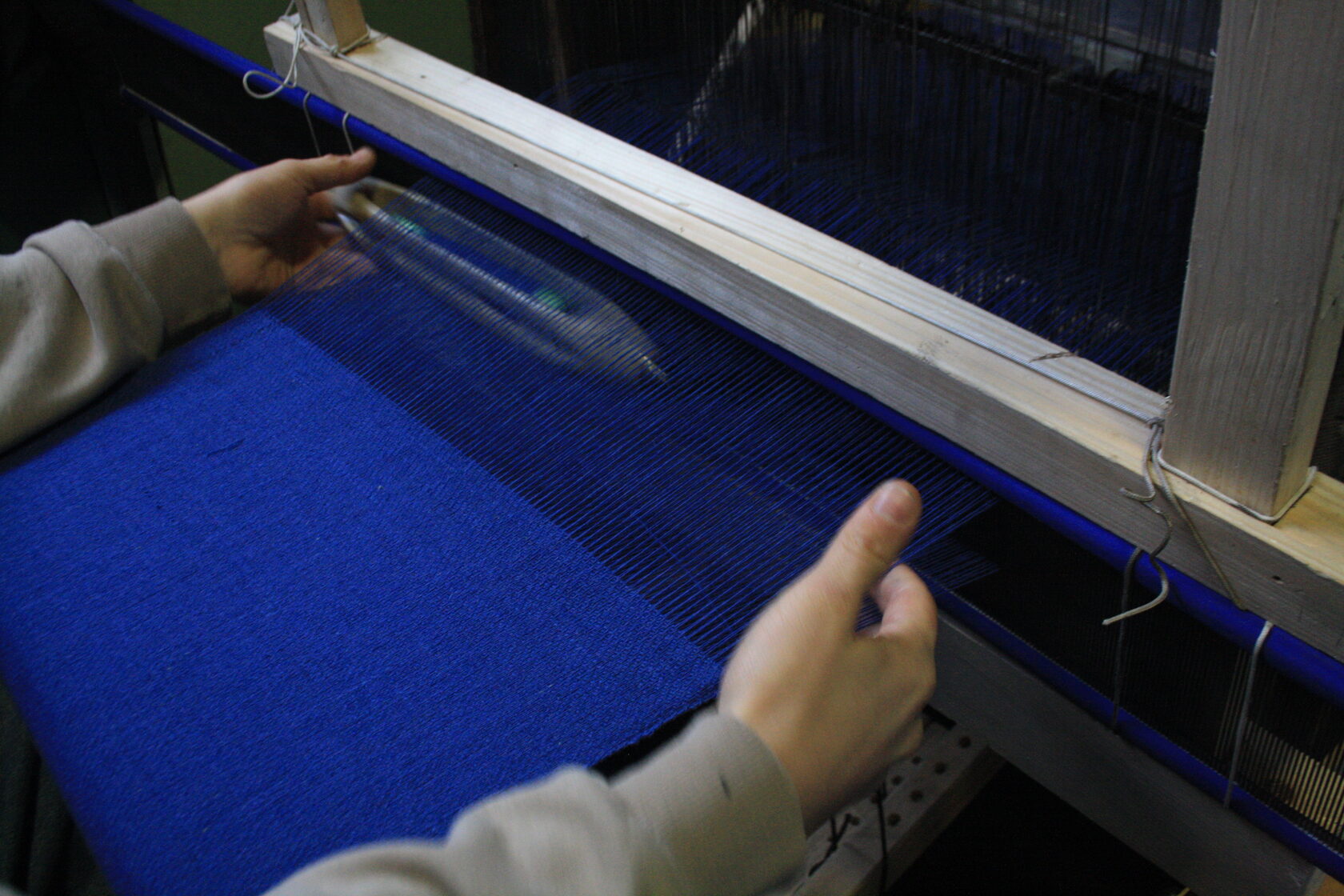
In 2011, at around the age of 19, the first loom was assembled.
There was little information on the internet at the time — or rather, there was, but you had to know how to search for it. Photos of old hand looms, articles, and museum images were used.
The loom took about two months to assemble — literally from boards bought at a hardware store. And, surprisingly, it worked the first time. Not perfectly, but it worked nonetheless, despite some problems.
Three months after the start of the experiments, the first fabric appeared — linen, plain weave. The first pants were sewn from it. The fabric was far from ideal and was eventually lost, but it was this experience that became the point of no return.
There was little information on the internet at the time — or rather, there was, but you had to know how to search for it. Photos of old hand looms, articles, and museum images were used.
The loom took about two months to assemble — literally from boards bought at a hardware store. And, surprisingly, it worked the first time. Not perfectly, but it worked nonetheless, despite some problems.
Three months after the start of the experiments, the first fabric appeared — linen, plain weave. The first pants were sewn from it. The fabric was far from ideal and was eventually lost, but it was this experience that became the point of no return.
The path through practice
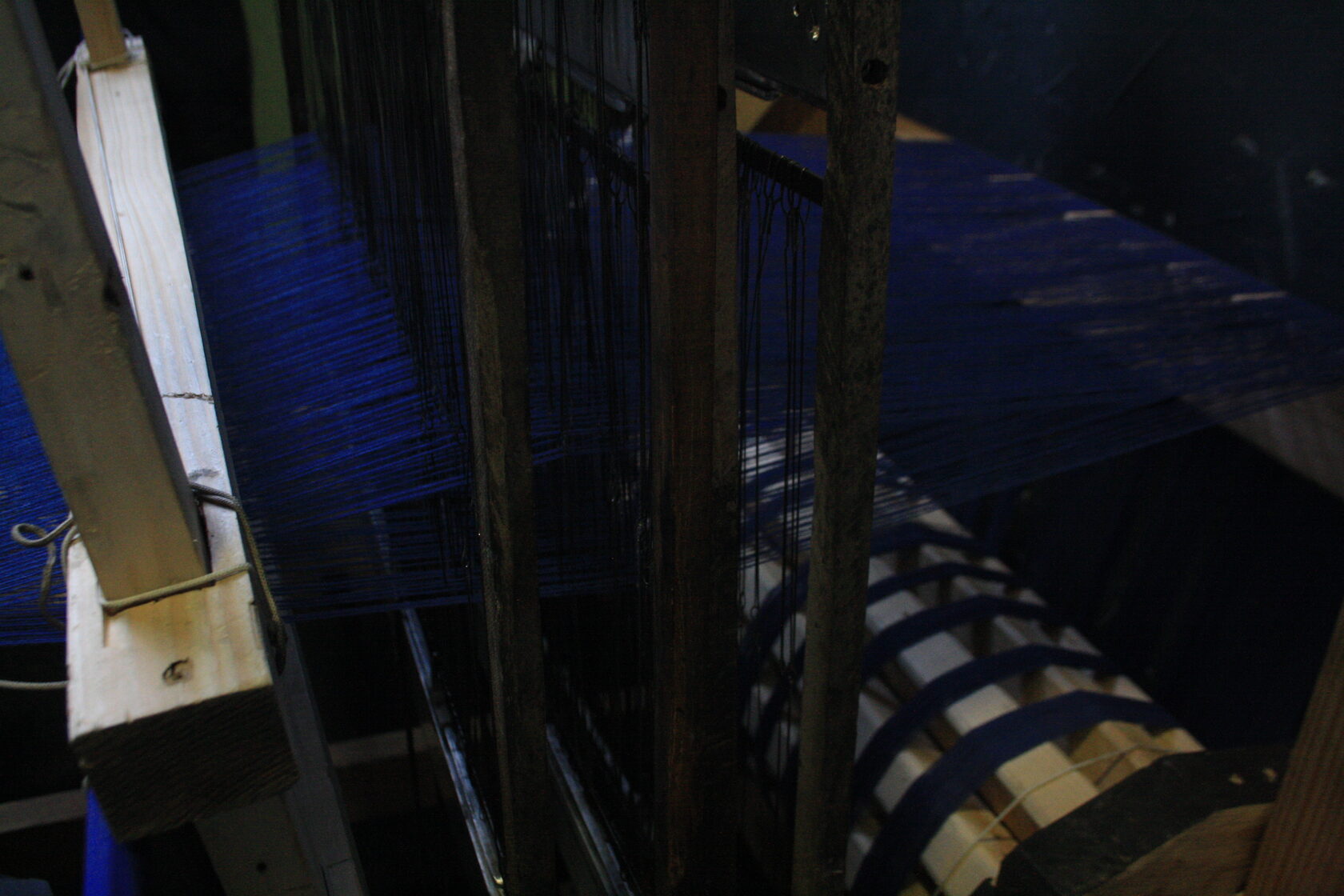
From the very beginning, learning took place through practice.
Attempts to read textbooks quickly revealed that most of the information was either too academic or too abstract. Real understanding came through hands-on work, through mistakes, through repetition.
Much was learned through museums, archival photographs, videos, and experiments. This path is not the fastest, but it is the most honest.
Even now, the learning process is not over. We continue to try, make mistakes, invent, and rethink.
Attempts to read textbooks quickly revealed that most of the information was either too academic or too abstract. Real understanding came through hands-on work, through mistakes, through repetition.
Much was learned through museums, archival photographs, videos, and experiments. This path is not the fastest, but it is the most honest.
Even now, the learning process is not over. We continue to try, make mistakes, invent, and rethink.
Why wool?
Over time, it became clear which material I wanted to continue working with.
Wool became my main and favorite fiber.
It is elastic, lively, and malleable. It forgives mistakes—it stretches and returns to its original state. This makes the weaving process more flexible and allows me to work with form and texture more deeply.
Linen, on the other hand, is strict and unforgiving: one wrong tension and the thread breaks. It does not tolerate mistakes.
Today, we most often work with 100% natural sheep's wool — sometimes melange, sometimes dyed. Some of the yarn comes already dyed, and some we dye ourselves using various techniques. Color, heterogeneity, and a lively structure are all important to us.
Wool became my main and favorite fiber.
It is elastic, lively, and malleable. It forgives mistakes—it stretches and returns to its original state. This makes the weaving process more flexible and allows me to work with form and texture more deeply.
Linen, on the other hand, is strict and unforgiving: one wrong tension and the thread breaks. It does not tolerate mistakes.
Today, we most often work with 100% natural sheep's wool — sometimes melange, sometimes dyed. Some of the yarn comes already dyed, and some we dye ourselves using various techniques. Color, heterogeneity, and a lively structure are all important to us.
Engineering approach and family roots
By education, I am a physicist, chemist, and materials scientist.
Engineering thinking has always been close at hand and has become an integral part of my craft.
My grandfather played a big role in this—he was a man who was always repairing motors, taking apart mechanisms, and making things with his hands. This approach—“take apart, understand, put back together”—became a natural way of interacting with the world.
Perhaps that is why weaving was never just “manual labor.” It was always research.
Engineering thinking has always been close at hand and has become an integral part of my craft.
My grandfather played a big role in this—he was a man who was always repairing motors, taking apart mechanisms, and making things with his hands. This approach—“take apart, understand, put back together”—became a natural way of interacting with the world.
Perhaps that is why weaving was never just “manual labor.” It was always research.
Moving and a new stage
Over time, the hobby grew into a profession.
And then the workshop underwent another transformation—this time in a different country.
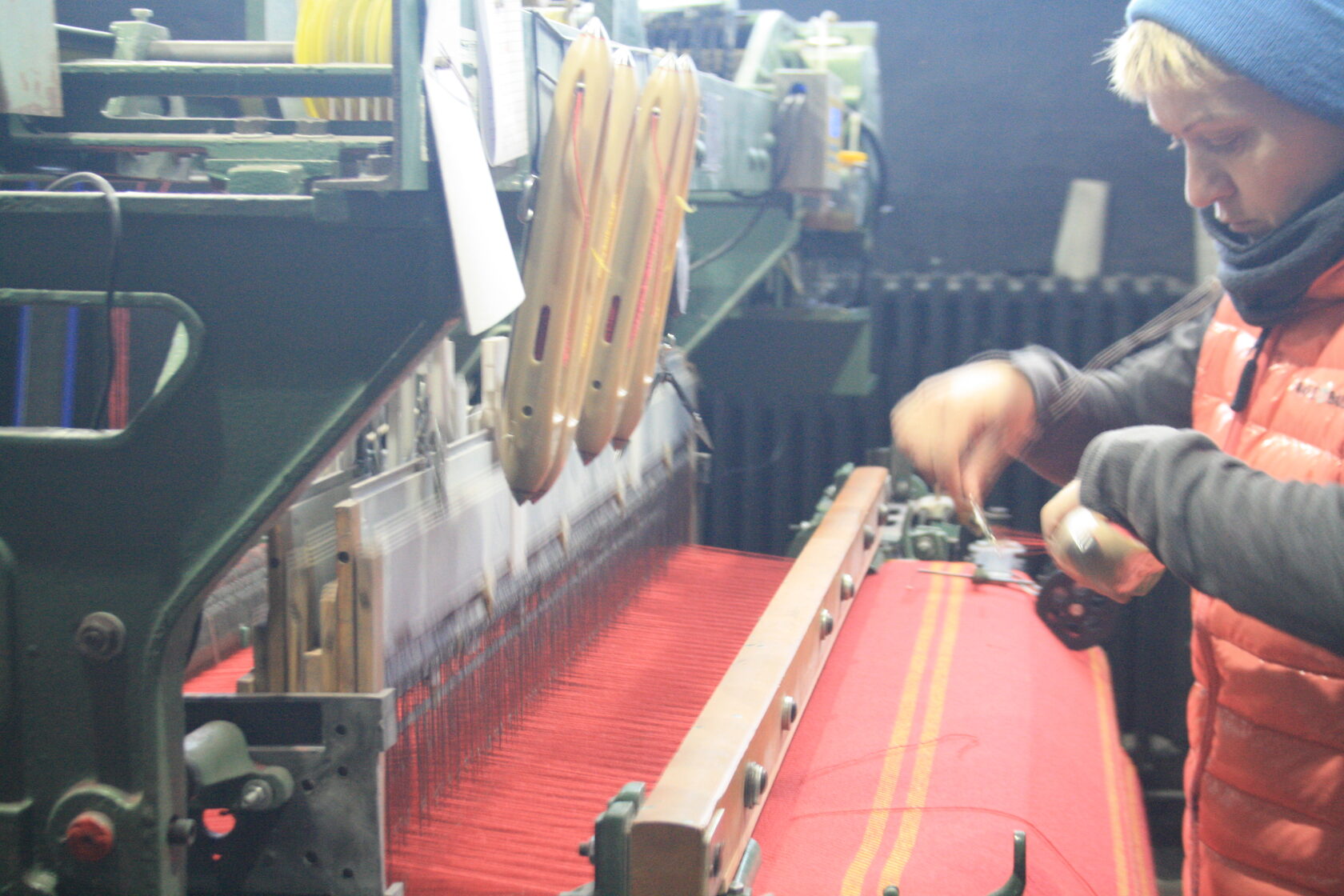
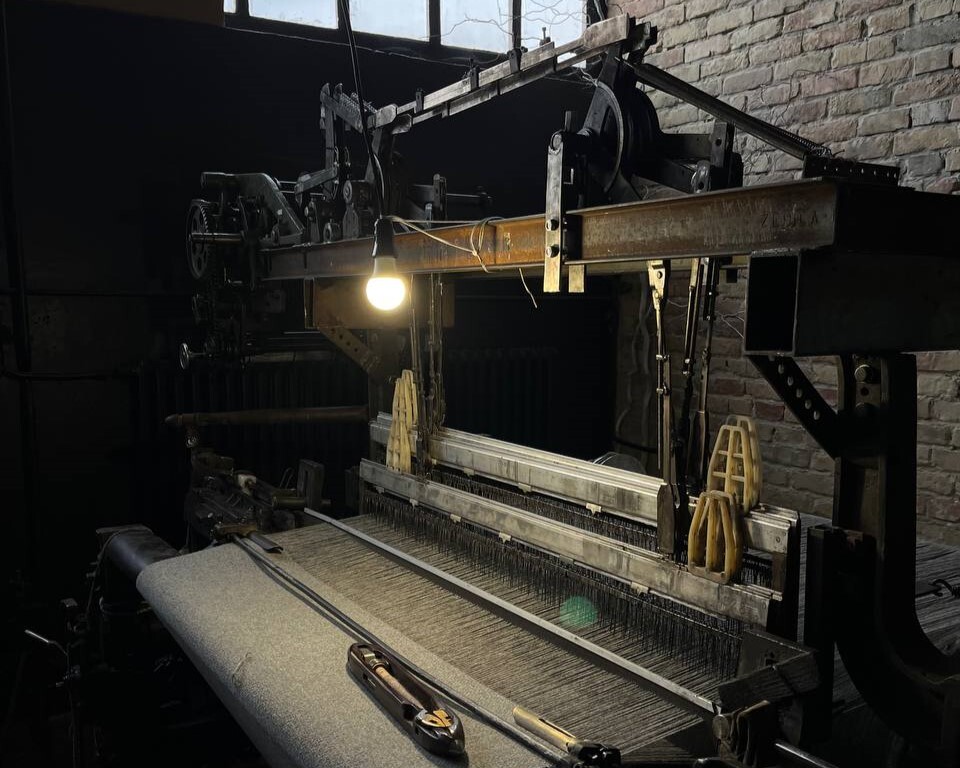
After moving to Serbia, we had to start all over again. Here, we began working with old industrial looms. Now we have several of them, and each one has its own story.
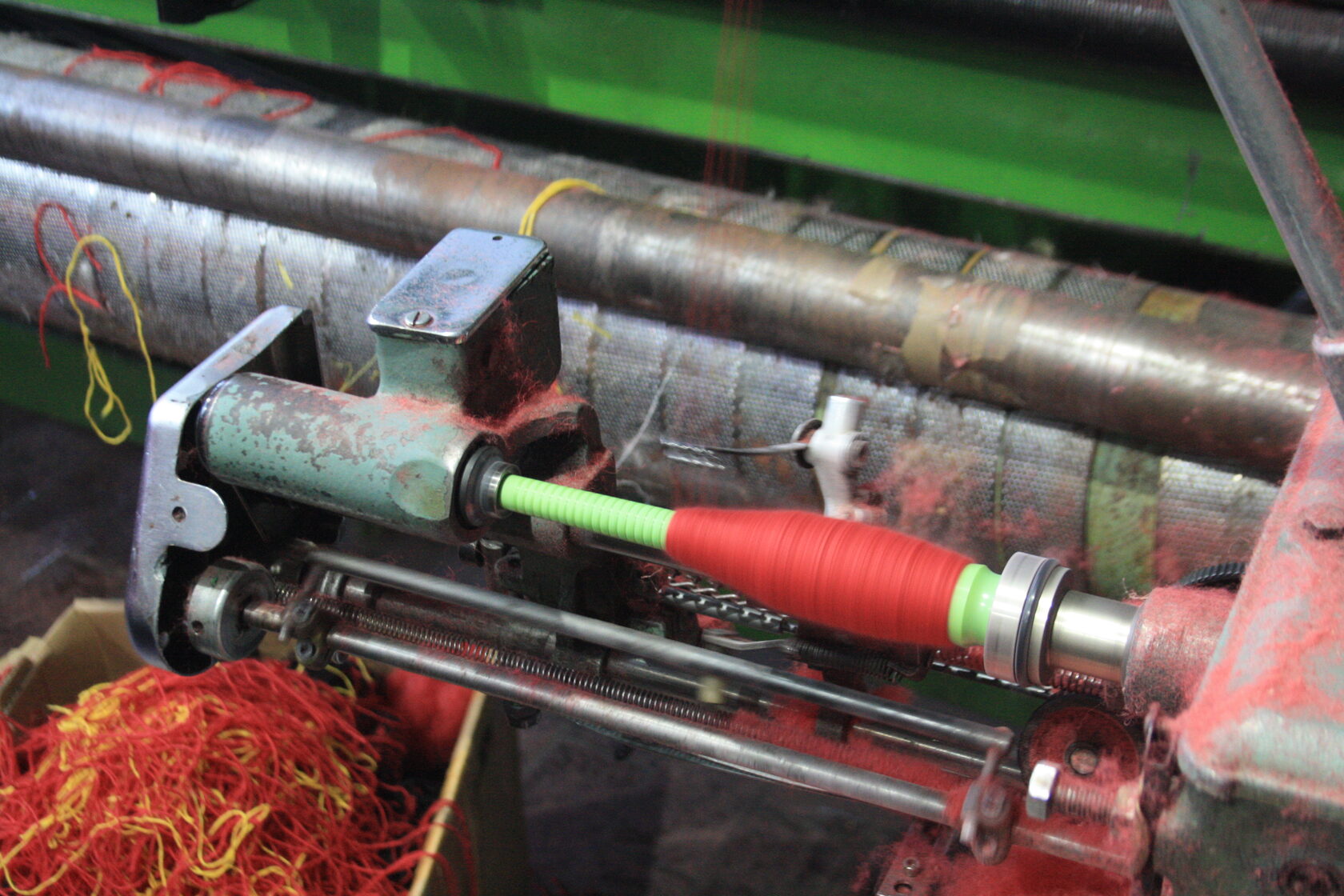
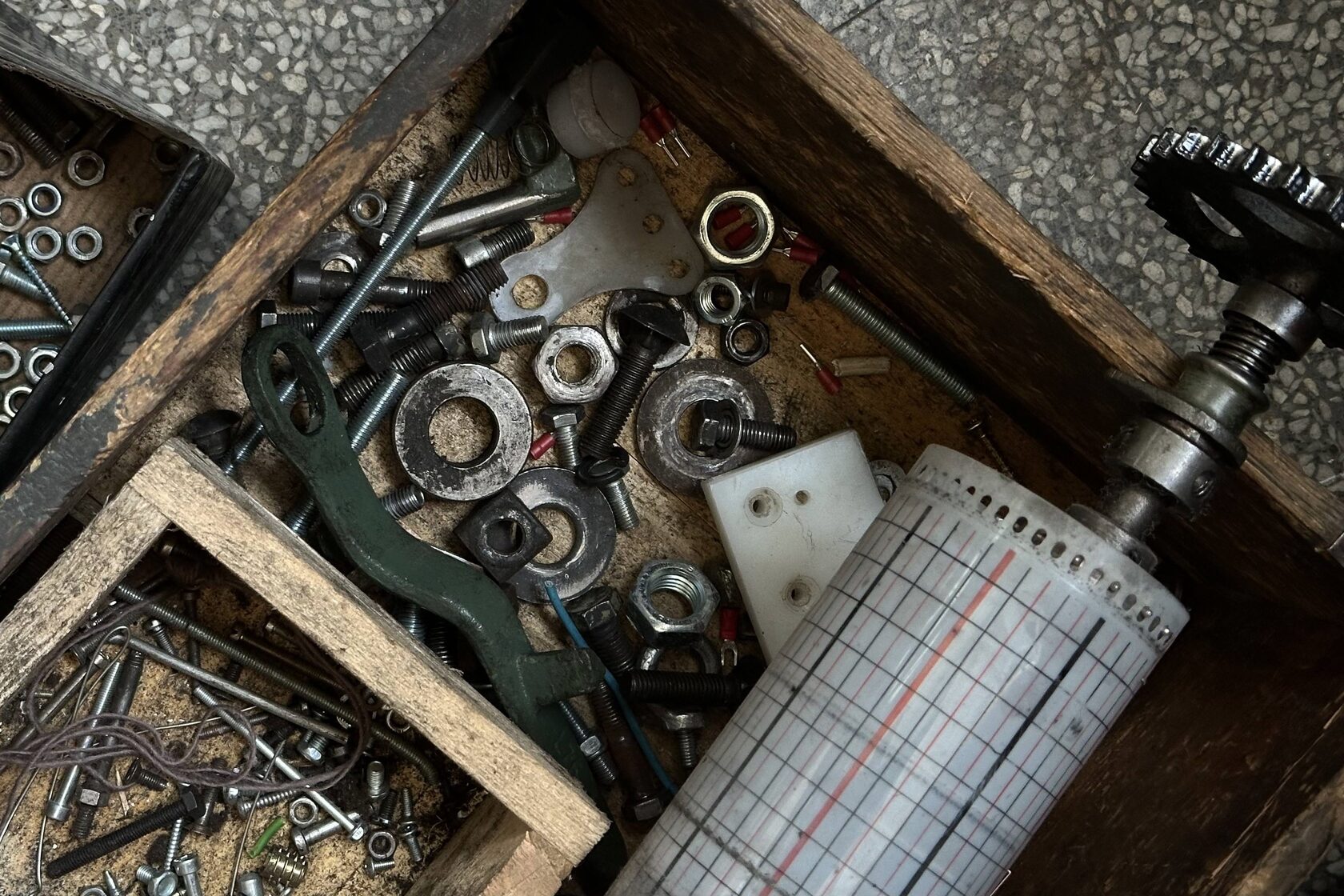
Purchasing and launching industrial equipment was one of the most difficult stages. These looms are old and often require repairs, replacement parts, and modifications. Each new loom is first completely disassembled, studied, and reassembled.
We consciously choose equipment with a minimum number of sensors and electronics, giving preference to mechanics.
And then the workshop underwent another transformation—this time in a different country.
After moving to Serbia, we had to start all over again. Here, we began working with old industrial looms. Now we have several of them, and each one has its own story.
Purchasing and launching industrial equipment was one of the most difficult stages. These looms are old and often require repairs, replacement parts, and modifications. Each new loom is first completely disassembled, studied, and reassembled.
We consciously choose equipment with a minimum number of sensors and electronics, giving preference to mechanics.
Serbian manufactories and living history
Serbia had many local family-run manufacturing businesses with a long history.
These were small-scale operations, often founded decades ago, where the machines were part of the family's heritage.
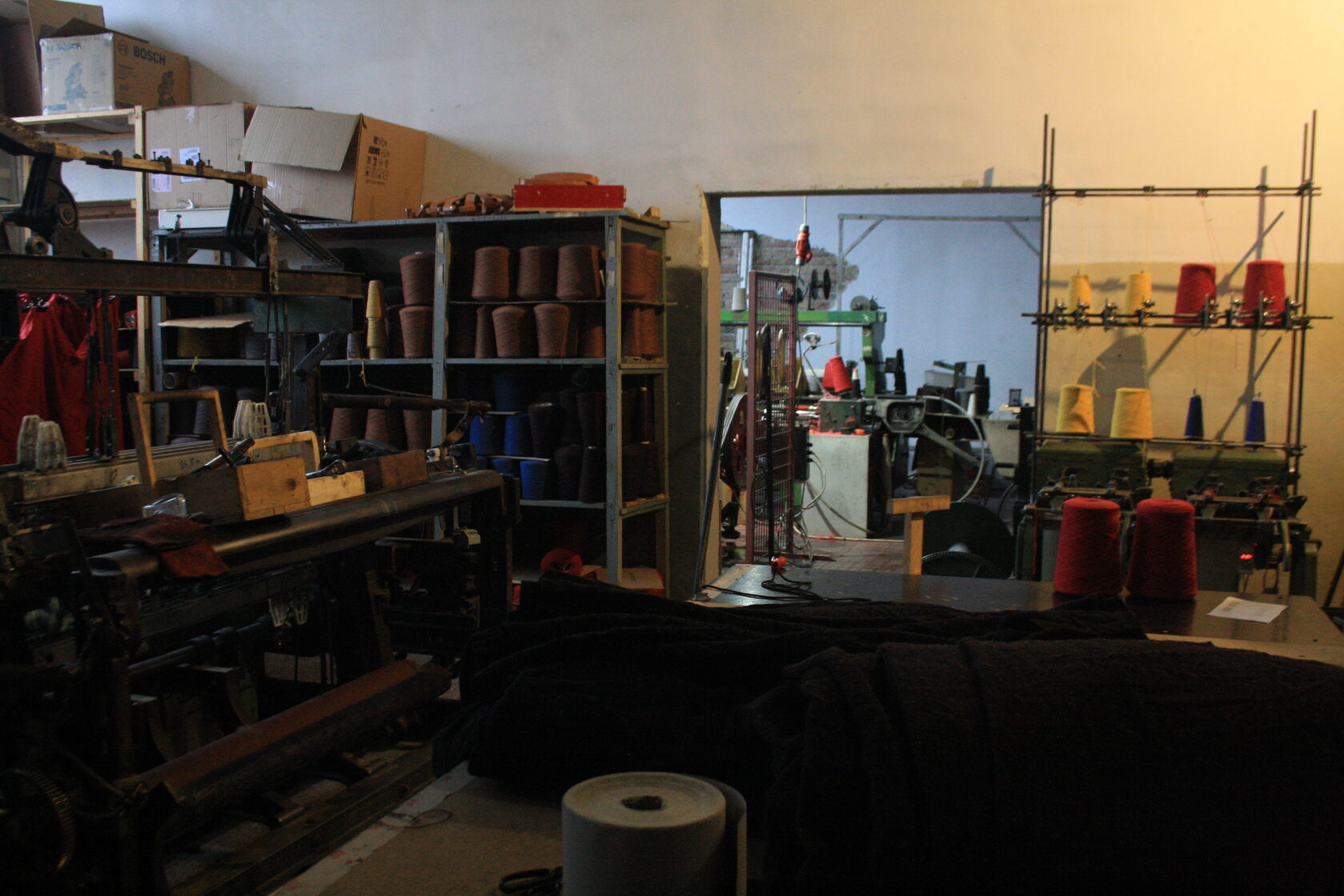
The first machine was purchased from just such a family: a workshop founded by an elderly craftsman, now around 90 years old, and which is now run by his daughter. Many of the machines there stand idle, but behind each one there is a life and a story.
Getting to know these people, their stories, and their attitude to their craft became an important part of our journey.
These were small-scale operations, often founded decades ago, where the machines were part of the family's heritage.
The first machine was purchased from just such a family: a workshop founded by an elderly craftsman, now around 90 years old, and which is now run by his daughter. Many of the machines there stand idle, but behind each one there is a life and a story.
Getting to know these people, their stories, and their attitude to their craft became an important part of our journey.
How weaving changes your view of the world
Working with fabric changes your perception.
Over time, you develop a professional bias: you look at any object and immediately see how it was made, what equipment might have been used, what technologies are behind its form.
This applies not only to fabrics. It is a way of seeing the world through processes, structure, and material.
Over time, you develop a professional bias: you look at any object and immediately see how it was made, what equipment might have been used, what technologies are behind its form.
This applies not only to fabrics. It is a way of seeing the world through processes, structure, and material.
Today and beyond
Today, we create fabrics for designers and projects that are truly close to our hearts.
We work with natural materials, complex textures, and fabrics that have character.
We admire designers who care about history and prefer natural and sustainable materials in their work. This is very close to our hearts—and it is with these people that we want to collaborate, creating something truly special for them.
We work with natural materials, complex textures, and fabrics that have character.
We admire designers who care about history and prefer natural and sustainable materials in their work. This is very close to our hearts—and it is with these people that we want to collaborate, creating something truly special for them.
